

As temperatures rise, keeping dogs and cats safe from the heat becomes a priority. Prolonged exposure to hot conditions, particularly during exercise or in poorly ventilated spaces, can cause a dangerous rise in body temperature. Recognising the warning signs of heatstroke in pets and responding quickly can help protect them during summer.
Keeping fresh water readily available is an important part of summer care, but dehydration and heatstroke are different conditions. Here is what to look for and how to help keep your pet cool, comfortable and safe.

What is heatstroke, and how is dehydration related?
Heatstroke occurs when a pet’s body temperature rises dangerously, and the animal cannot cool down effectively. It is a medical emergency that can cause serious harm to vital organs. Dehydration, on the other hand, occurs when the body loses more fluid than it takes in. It can have several causes and may occur with or without heatstroke.
Dogs mainly release excess heat by panting. Cats may also pant when overheated, but open-mouth breathing or persistent panting in a cat should be treated as a warning sign requiring prompt veterinary attention. Good hydration supports normal body function, but access to water alone cannot prevent or treat heatstroke.

Recognising the warning signs
Look out for unusually heavy or persistent panting, excessive drooling, weakness, disorientation, unsteadiness, vomiting or collapse. A pet showing these signs after exposure to heat needs urgent veterinary attention. Do not wait for symptoms to become severe.
Dry or tacky gums, sunken eyes and reduced skin elasticity can also suggest dehydration. One simple check is to gently lift a small fold of skin over the shoulders and release it. Skin that returns slowly may indicate fluid loss, although this test is not conclusive and should not replace a veterinary assessment.
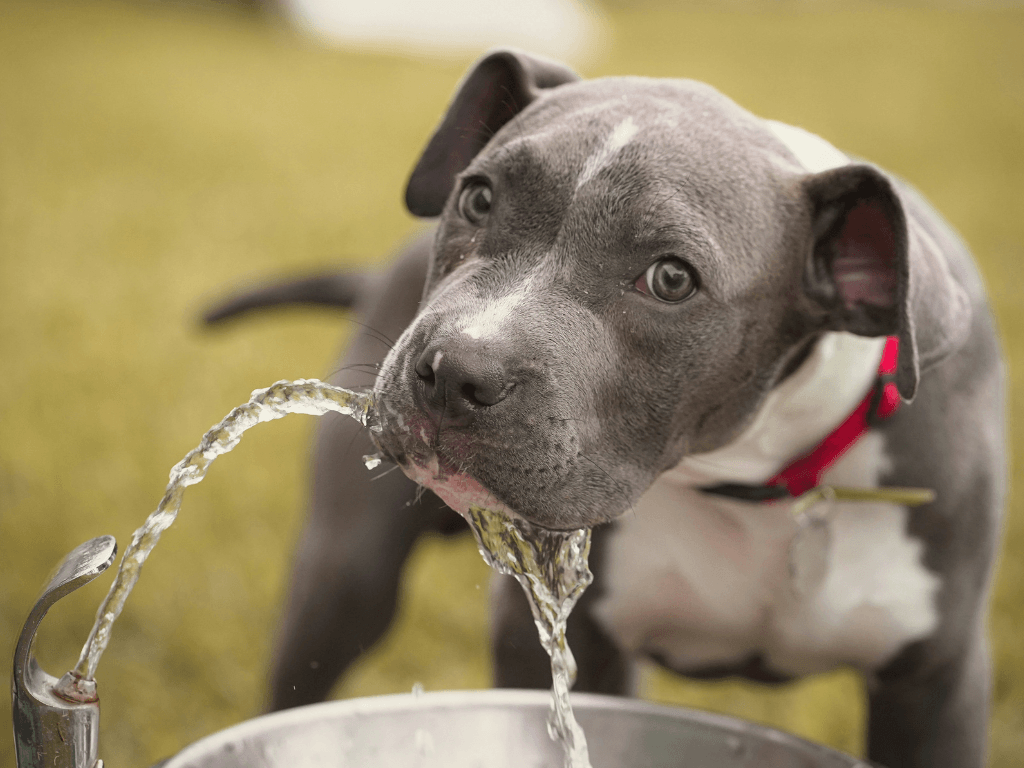
Simple ways to keep pets hydrated
Fresh, clean drinking water should always be available indoors and outdoors. During hot weather, check bowls frequently, refill them at least twice a day or more often as needed, and position them in cool, accessible places. Provide more than one water station where practical.
You can also add a little clean water to your pet’s usual dry food if they enjoy it. If using broth, choose a pet-safe option without onion, garlic or excessive salt. Some healthy pets may enjoy a pet-safe frozen treat on a warm day, but treats and ice cubes are not a treatment for heatstroke.

Creating safe spaces during peak heat
Give pets access to shade, good airflow and a cool place to rest. Covered verandas, shade cloth or suitable indoor areas can help, but check that shaded spots remain protected as the sun moves. Never leave a dog or cat unattended in a parked vehicle, even for a short time.
Schedule walks and active play for the cooler early-morning or evening hours. Pavements and patios can become hot enough to burn paws; if the surface feels uncomfortably hot against the back of your hand, avoid walking your pet on it.

Daily summer safety checklist
Check water bowls: refill with fresh, clean water twice or more daily, and check them regularly in very hot weather.
Check shade and airflow: make sure pets can move into a comfortable, well-ventilated space throughout the day.
Choose cooler activity times: avoid strenuous exercise during peak heat and test outdoor surfaces before walks.
Watch for changes: persistent panting, unusual weakness or unsteadiness are reasons to act quickly, not simply offer more water.

What to do if you suspect heatstroke
Move your pet out of the heat immediately, stop all activity and begin cooling them while arranging urgent veterinary care. Apply cool running water to the body, avoiding the face, and use a fan or airflow if available. Contact your vet promptly and follow their instructions; transport your pet for assessment even if they appear to improve.
If your pet is alert and able to swallow normally, offer small amounts of drinking water without forcing them. Do not rely on ice cubes or frozen treats to cool an overheated pet. Quick action and professional veterinary care are essential.
For everyday nutrition, explore Ideal’s dog and cat food ranges to find a suitable option for your pet. Visit the Ideal website or follow Ideal on Facebook and Instagram for product information.

Choosing the right food for your pet
At AVI Products, our dog and cat food brands offer a range of nutritional options for different life stages and needs. The most suitable food depends on your pet’s age size, body condition and activity level. Use the product information and feeding guidelines as a starting point, and consult your veterinarian if your pet has specific nutritional or health requirements.
Explore AVI’s dog and cat food ranges from Ideal, Rimax, Trusty, LifeStyle and Menu to find a suitable option for your pet.